CDISC Standards for Academics
From the University Hospital Medical Information Network in Japan to NIAID in the US, research organizations rely on CDISC to support FAIR data principles, meta-analysis, and AI-ready datasets. Whether you're standardizing a single-center study or pooling results across an institutional network, here's where to begin.


Browse standards in the free non-member tier built for academic use.

Learn about our community of experts committed to bring clarity to research.
Tools for Your Research
Build standardized studies with CDISC-supported tools.
eCRF Portal
Browse annotated case report forms mapped to CDISC standards, ready to reference in your own study design.
REDCap
Join the global REDCap community and build data capture that is standardized and reusable from the start.
On-Demand Webinar
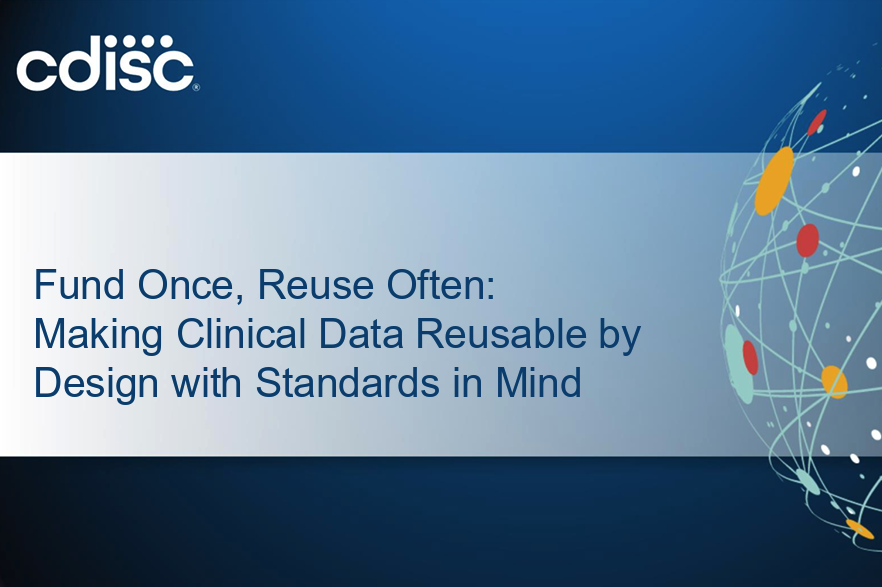
"Academic Clinical Studies:
Fund Once, Reuse Often - Making Clinical Data Reusable by Design with Standards in Mind"
Presented in partnership with the Clinical Research Data Sharing Alliance (CRDSA) and designed to support researchers in building studies that are optimized for data reuse from the very beginning.
Recommended Courses for Academics
New to CDISC? Start with the training most relevant to academic research.
SDTM In Action:
On-Demand Bundle
A comprehensive, self-paced On-Demand training provides an in-depth introduction to the SDTM foundational standard, designed for professionals looking to gain expertise in clinical data management.
Introduction to CDISC
On-Demand Training
A self-paced, beginner-friendly course that provides an overview of CDISC standards and an introduction to the CDISC community.
LHEA On-Demand Bundle: Designing TRUE Research
A self-paced overview you can take on your own schedule, ideal for fitting around teaching and research commitments.
Upcoming Webinars
Ways to Get Involved
Partner with CDISC to Ensure You Multiply the Impact of Your Investment in Research & Accelerate Progress.
Join a Working Group
Help develop disease-specific standards for more meaningful, efficient research, and shape the standards your field relies on.
Train Your Research Team
Bring CDISC training to your group to accelerate adoption and build standardization into your work from the start.
Partner with CDISC
Sponsor harmonization pilots, fund collaborative research, or champion CDISC-ready data to multiply the impact of every research investment.
Our Academic Members
Research organizations advancing clinical data standards worldwide.